


Description
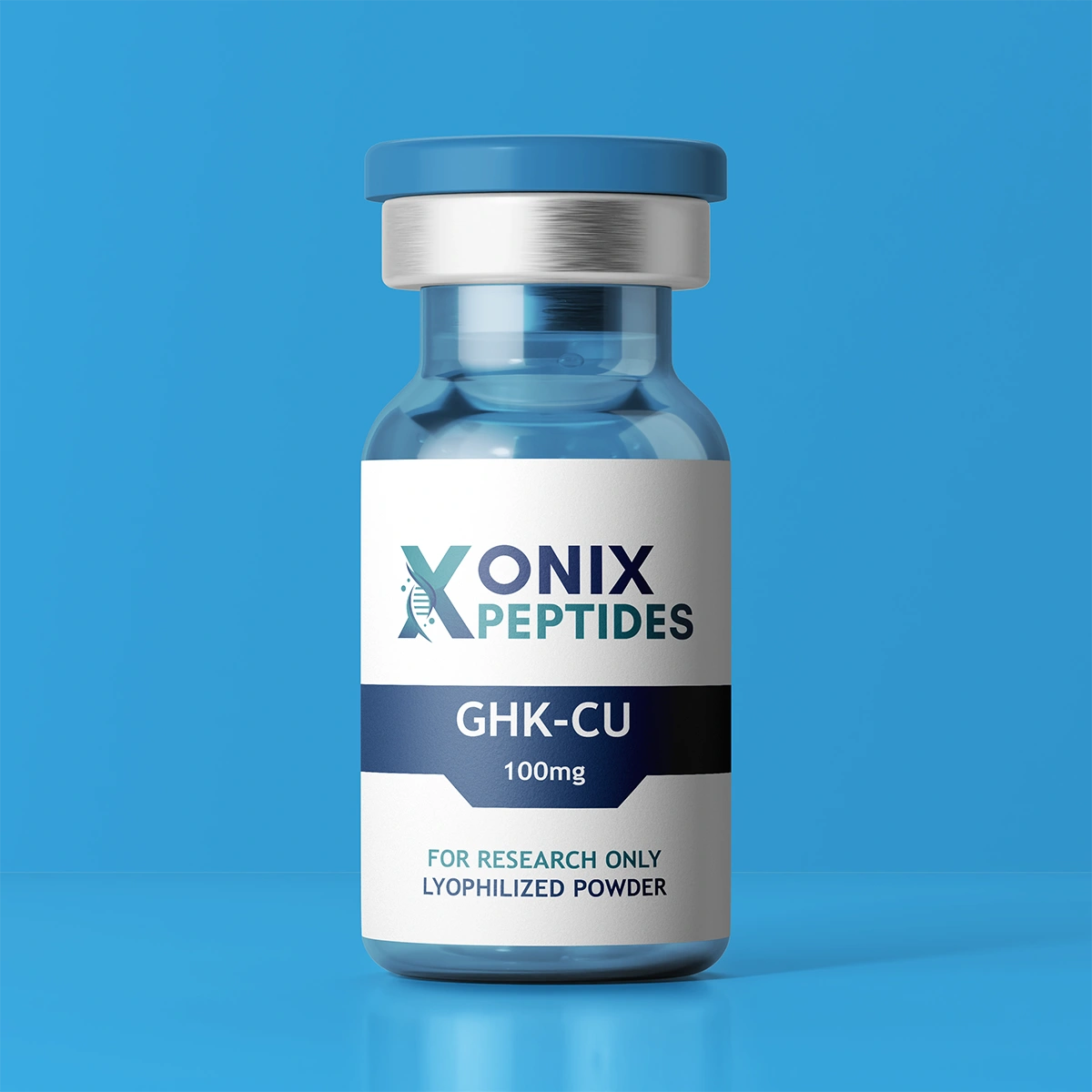
GHK-Cu
(Copper Tripeptide Complex – Tissue Remodeling & Regenerative Signaling Modulator)
GHK-Cu is a naturally occurring copper-binding tripeptide composed of glycine-histidine-lysine bound to a divalent copper ion. First identified in human plasma, this peptide complex functions as a signaling molecule involved in tissue remodeling, wound repair, and extracellular matrix regulation. In biological systems, GHK-Cu acts as a carrier molecule for Copper, facilitating its delivery to cells where it participates in enzymatic and regenerative processes. Research has investigated the peptide’s influence on gene expression, tissue regeneration pathways, and inflammatory modulation in a variety of experimental models. GHK-Cu levels are known to decline with age in plasma and tissues, which has led to scientific interest in its potential role in cellular repair mechanisms and structural protein regulation.
Mechanism of Action
(Based on Preclinical and Experimental Research)
Copper transport and cellular signaling: GHK-Cu binds and transports bioavailable copper ions to cells, supporting copper-dependent enzymatic activity and signaling pathways involved in tissue repair.
Extracellular matrix regulation: Research indicates modulation of structural proteins such as
Collagen and Elastin, which are essential for connective tissue integrity.
Gene expression modulation: Experimental studies suggest GHK-Cu may influence the expression of hundreds of genes associated with tissue regeneration, inflammation control, and antioxidant defense.
Wound healing pathways: Investigated for its role in promoting angiogenesis and fibroblast activation during tissue repair processes.
Anti-inflammatory signaling: Demonstrates regulatory effects on inflammatory mediators involved in tissue injury and immune response.
Potential Research Applications
(Based on Preclinical and Investigational Studies)
Study of tissue regeneration and wound healing pathways Investigation of extracellular matrix remodeling mechanisms Research on copper-dependent cellular signaling Experimental models of skin repair and connective tissue biology Gene expression studies related to regenerative processes For Research Use Only. Not for Human Consumption. This compound is not approved by the FDA or any regulatory authority and is intended solely for laboratory research purposes.
There are no reviews yet.